Vilnius participates in the national progress programme "Millennium Schools". Full details of the programme are available here.
Goals
The aim of the Programme is to create integral, optimal and high-quality education conditions in every municipality in Lithuania by 2030 to close the achievement gap.
Vilnius City has set three goals in its Millennium Schools Progress Plan:
1) To reduce the achievement gap between different schools in Vilnius City;
2) To enable the city's residents to choose the right educational institution for their place of residence and needs;
3) To facilitate the access of pupils with special educational needs to general-purpose classrooms/schools.
Description
The programme includes school improvement activities in four areas: leadership, inclusive education, STEAM and cultural education.
Leadership development includes activities such as a monitoring system for school community attitudes and satisfaction, data-driven action planning and quality improvement, a programme to attract new teachers, and others.
Inclusive education includes the physical adaptation of schools for children with different needs, the development of teachers' knowledge, skills and capacity to adapt the educational process, etc.
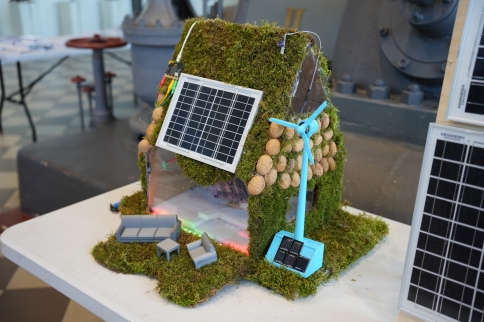
STEAM education focuses on setting up and improving science and games laboratories, Fablab workshops in the classroom and in non-formal activities, learning mathematics using digital tools, etc.
Cultural education focuses on language labs, collaboration with artists and art institutions, exploratory arts, media information literacy and other activities.
Participants
- Vilniaus „Žaros“ gimnazija;
- Vilniaus „Žiburio“ pradinė mokykla;
- Vilniaus darželis-mokykla „Vilija“;
- Vilniaus Karoliniškių gimnazija;
- Vilniaus Liepkalnio mokykla;
- Vilniaus Naujininkų progimnazija;
- Vilniaus Pilaitės gimnazija;
- Vilniaus Sausio 13-osios progimnazija;
- Vilniaus Sofijos Kovalevskajos progimnazija;
- Vilniaus šv. Kristoforo gimnazija.
Achievements in 2024
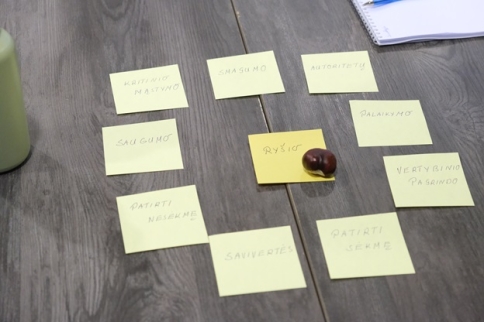
Leadership in action. Emphasises the commitment of the school leader to the success of the school, empowering the school community to act.
Vilnius IFA schools chose the most relevant long-term management and leadership competency development programmes for their community. They cover 349 academic hours and involve 157 school leaders, administrators and teachers.
School leaders have the option of personal leadership/personal growth (coaching) sessions (6 heads and their deputies took up this option).
Teachers at PTA schools participate in training programmes to improve their collaboration and teamwork skills for student progress. The programmes cover 249 academic hours and 146 teachers participate.
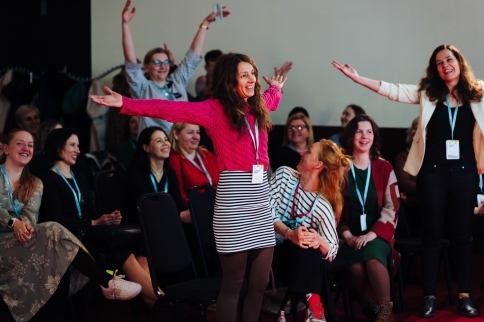
School administrators, teachers, student assistants (245 participants) take part in 1-2 day team building/cooperation activities, events.
The schools benefit from the opportunity to receive advice from an educational expert on topics of relevance to the school, such as: developing an institutional strategy, diagnosing and improving the efficiency of the educational process, improving the emotional well-being of teachers, improving teaching methodologies and tools, school public communication and image development, etc. A minimum of 300 academic hours of consultation is foreseen.
Cultural education. Teachers strengthen their competences in the field of cultural education with an emphasis on sustainability of activities and community empowerment for the progress of learning.
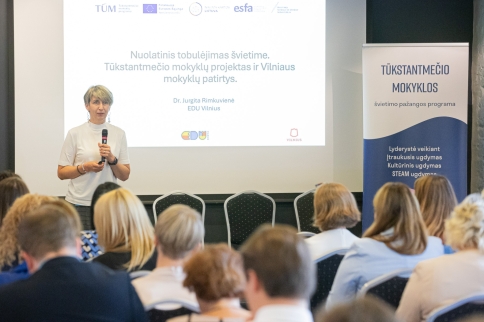
In addition to the implementation of the Deep Learning (Art of Inquiry) and Phenomenal Education programmes, a "Programme to Promote Reading Comprehension and Literacy" has been launched with the participation of primary and junior high, minority and grammar school teachers, school library staff, and students.
Inclusive education. The professional growth of the community is paramount to achieving quality education for children with diverse learning needs.
68 academic hours implemented. "Strengthening the work of the Child Welfare Committee", which focused on the legal regulation of the work of the school's Child Welfare Committee, the development of an individual support plan, the cooperation between parents and teachers of a child with individual educational needs, the delineation of responsibilities between teachers, pupils and the institution, the application of the GDPR in educational establishments, the effective documentation issues related to effective documentation practices in educational establishments. The training was attended by 102 employees of the administration of the Ministry of Education and the Vilnius City schools, teachers and educational support specialists.
STEAM education. In order to improve the mathematics teaching/learning process and to reduce gaps in pupils' mathematics achievement, a project on the development of a methodological framework for a mathematics support system is being implemented in all the 10 schools of the PTA. It develops methodological guidelines for mathematics support for pupils and organises training and consultation based on data collected from national student tests, action research and focus groups. All mathematicians in Vilnius are invited to participate.
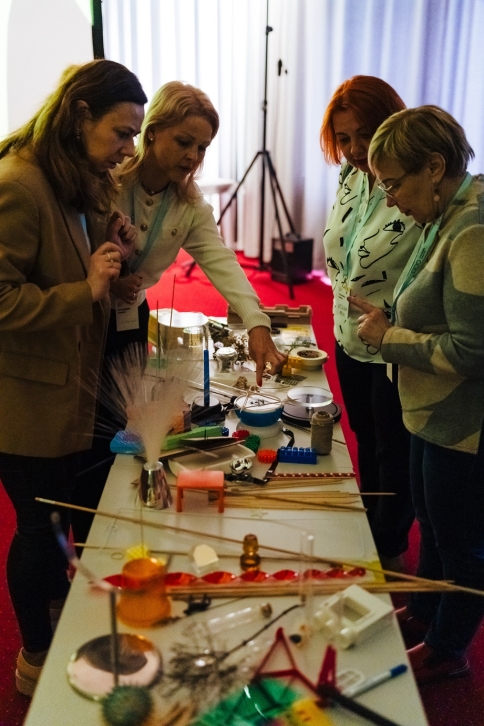
A long-term training course "STEAM Approach" for primary, middle and high school concentrations is underway to foster positive attitudes towards inquiry and science, engineering and mathematics, and to develop students' literacy and competences in science, technology and engineering.
Full-day school. In the context of Millennium Schools project, elements of a system combining formal and non-formal education for students at all levels are being tested to encourage students to stay in school and take responsibility for their own learning.
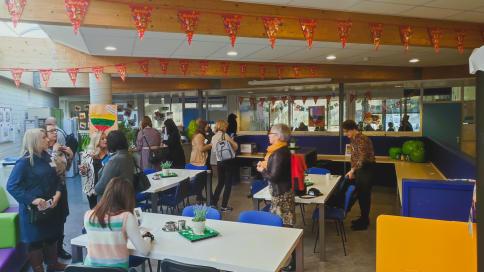
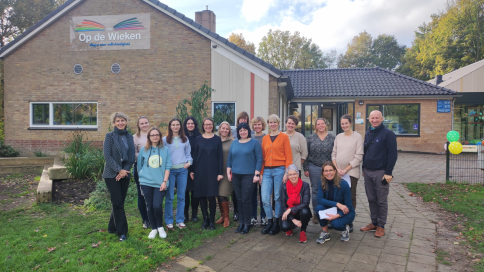
In June, an internship took place in Kaunas Simonas Daukantas progymnasium on "Experiences and practices of organising a distinctive model of all-day school".
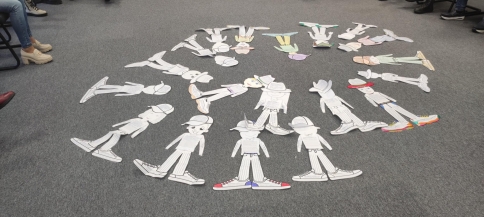
Activities to strengthen the leadership and cooperation skills of student self-management have started in each PTA school.
Students from St Christopher's Gymnasium took part in an educational field trip to Teltonika.
Contact
Project manager Jurgita Rimkuvienė
jurgita@eduvilnius.lt
-66e1dce6186eacee8816b606dc018455.jpg)







.png)




 Svitrigailos str. 11B, Vilnius
 +370 660 31660
 info@eduvilnius.lt